A classic watch question almost; the Rolex Submariner vs Omega Seamaster. If we got a Euro for every time we were asked this question, we would have both in the meanwhile. Last week we received it again, for this You Asked Us feature here on Fratello. We thought it would be about time to answer this question in public, as it is probably interesting to many other watch enthusiasts as well (according to our mailboxes).The question we received was relatively short. Nguyen asked us: Please help me decide between buying a Rolex Submariner and an Omega Seamaster. What are the pros and cons of these watches and which one do you prefer?.You Asked Us: Rolex Submariner vs Omega SeamasterThe Rolex Submariner and Omega Seamaster are icons and have been around for a long time. The Submariner was introduced in 1953 and was available a year later. The Seamaster is a bit older, introduced in 1948, but it took till 1957 before Omega really made it a divers watch (Seamaster 300). Where Rolex has been very steady with creating basically the same Submariner model, with just minor differences in choice of material and with or without date, the Seamaster has appeared in many executions. Today, the Seamaster family that consists of the Aqua Terra, Diver 300M, Planet Ocean, PloProf and the 300. So, which one do we put against the Submariner? Nguyen wasnt very clear on that, so we decided to pick a model that can be seen as the direct competitor of the Submariner. Where the Aqua Terra is more of an all-terrain watch, the PloProf as a professional diving instrument and the 300 as a re-edition of the 1957 Seamaster 300, the new Diver 300M and Planet Ocean 600M would be our pick against the Rolex Submariner.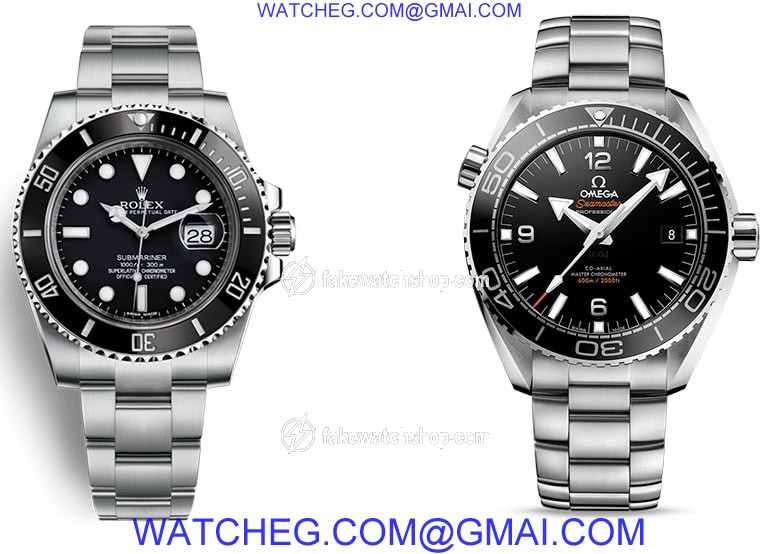 Rolex Submariner vs Omega Seamaster Planet Ocean 600M.The ReferencesThe Seamaster Diver 300M that was introduced this year, does feature the new Master Chronometer movement as well as a ceramic bezel but it has not been delivered yet. The Planet Ocean 600M has been on the market for quite a while and comes a bit more in the regions of the Submariner when it boils down to price. So, we selected the Omega Seamaster Planet Ocean 600M reference?215.30.44.21.01.001 versus the Rolex Submariner Date?116610LN.Rolex Submariner vs Omega Seamaster PricesLets start with the retail prices of these watches. The Rolex Submariner Date has a list price of 7850 where the Omega Seamaster Planet Ocean 600M has a retail price of 5800. Thats a steep difference, but there are 110(!) different Planet Ocean 600M references and we picked the standard one. One that has?the silicon nitride ceramic bezel with orange rubber and a titanium case will set you back 7900, but we want to compare two watches with similar specifications. Steel case, ceramic bezel, black dial, steel bracelet and an in-house movement.
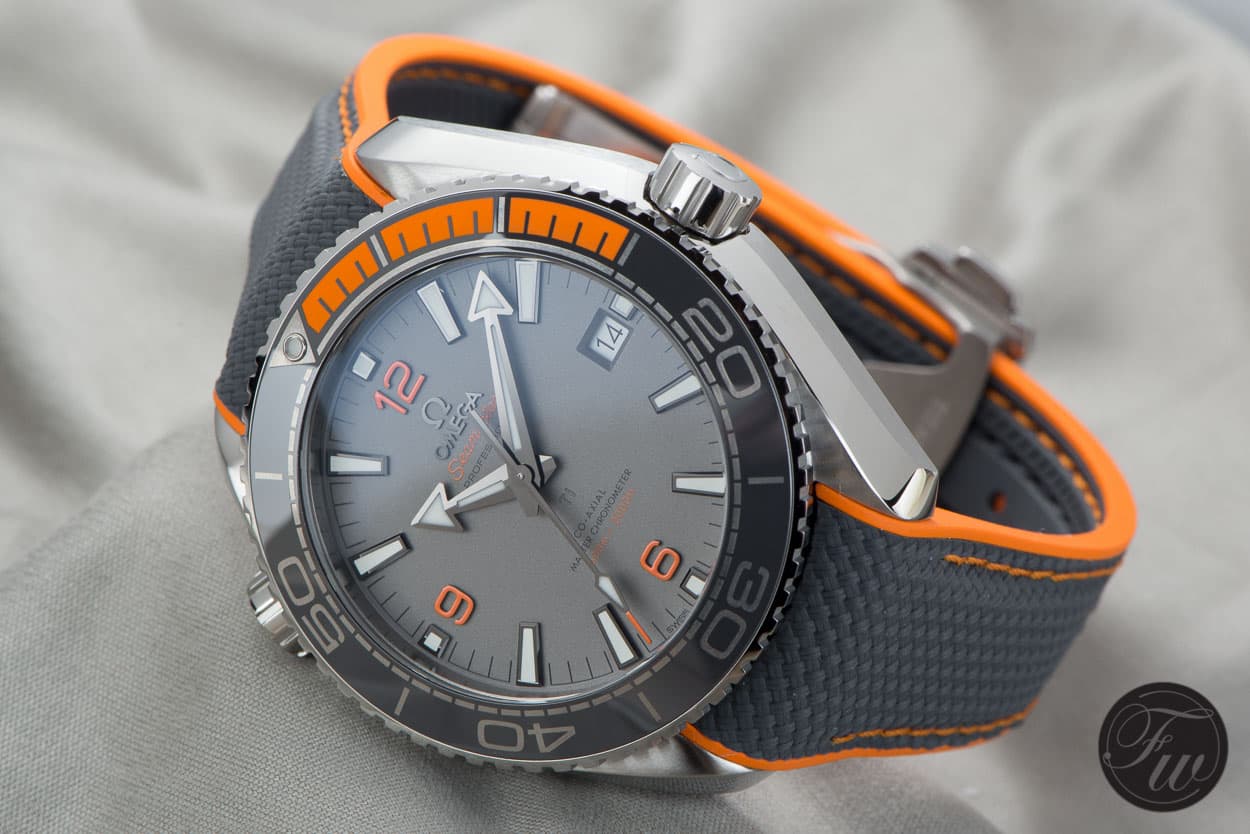 An alternative in titaniumThe Rolex Submariner 114060 (no date) is a bit cheaper (6900), but we will stick to the date. If you want to go down a bit on price on the Submariner and dont care for a date, the 114060 is a great option. Some people are disliking the cyclops on the date, for them, this Rolex Submariner 114060 is an option. If you want a Rolex with a date but without the cyclops, you can search for the discontinued Sea-Dweller for example.
 Discontinued Rolex Sea-Dweller. A Date, but no cyclopsIn-House MovementsBoth watches in this?Rolex Submariner vs Omega Seamaster comparison have in-house developed and manufactured movements. The Rolex Submariner Date uses the calibre 3135 movement. It has been in production for quite a while, although small updates have been done regarding the hairspring (Paramagnetic blue Parachrom) and the regulating after the casing of the chronometer certified movement. Since a few years, Rolex tests and certifies the movements when they have been cased, and guarantee an accuracy of -2/+2 seconds a day on average. This performance is warranted for 5 years. Due to the use of special alloys for the hairspring, for example, the watch is also anti-magnetic (not specific to what extent).When Omega introduced the Seamaster Planet Ocean in 2005, they were still using the ETA modified calibre 2500 movements (Co-Axial). But since 2007, Omega uses their in-house calibres for the Seamaster Planet Ocean watches (and other models). In this Seamaster Planet Ocean 600M we find their calibre 8900 movement. This movement with Co-Axial escapement has an accuracy of 0 / +5 seconds a day on average and is anti-magnetic to 15,000 gauss.
 Usually, the chronometer certification is done for the movement only. Movements are delivered to the COSC (Contr?le Officiel Suisse des Chronomtres) with only a dial and hands attached to it as well as a plastic winding and setting crown. Once tested (and certified), they are being sent back to the supplier (watch brand) and are being cased. For most brands out there who use chronometer movements, this is the procedure. However, Rolex and Omega love their quest for the (industrialized) manufacturing of the best possible movement. Where best stands for good performance when it comes to accuracy, and movements that are able to withstand (some) magnetism and other forms of abuse.
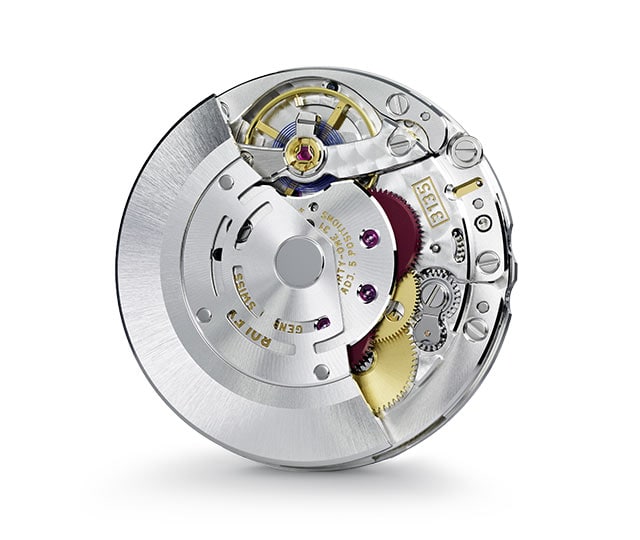 Rolex Calibre 3135Rolex indicates that, after casing the movement, they certify the watch against their own standards. Omega also has defined their own standards but has their movements certified (after casing them) by an?official third party called METAS, resulting in the Master Chronometer certification. The issue with certifying yourself is that there is no way to control or verify this process. It is a bit like having your books audited by your own bookkeeper from the finance department, instead of having this done by an external accountant who needs to give an independent judgement.
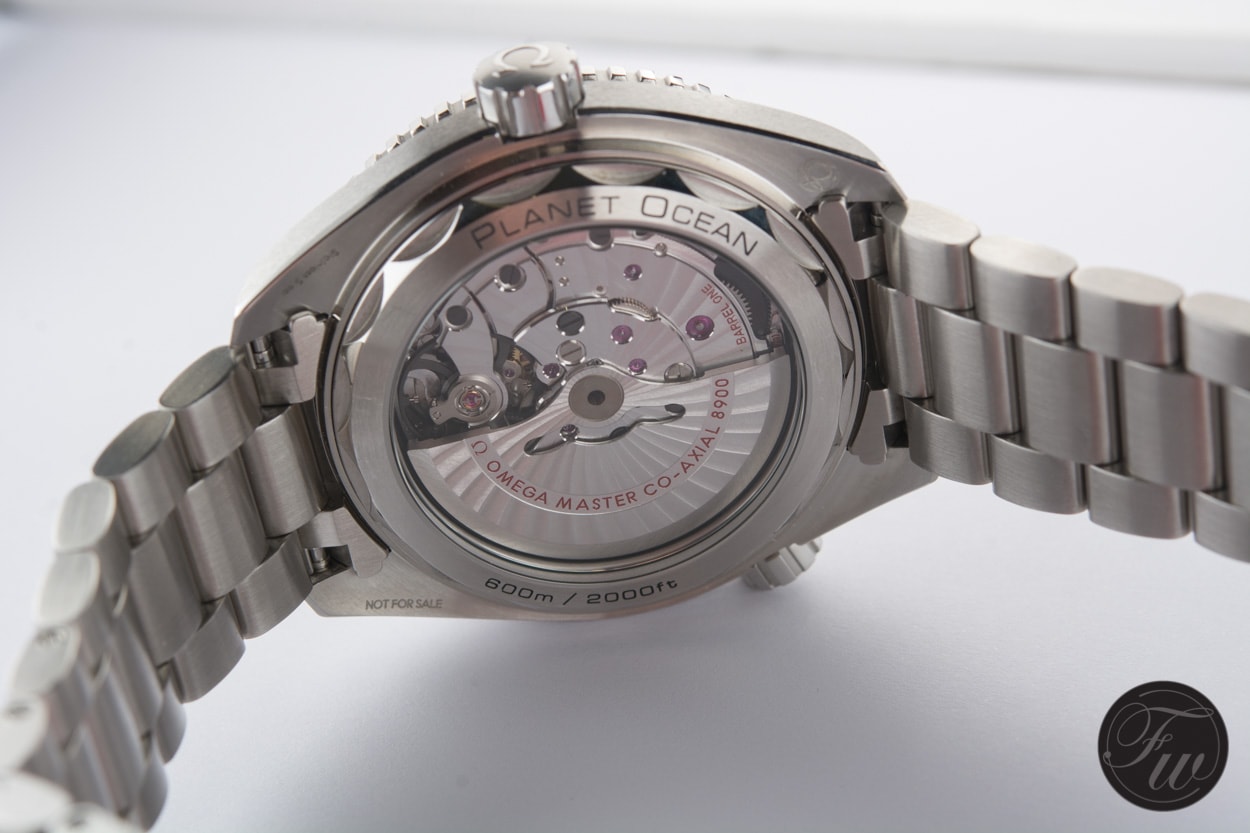
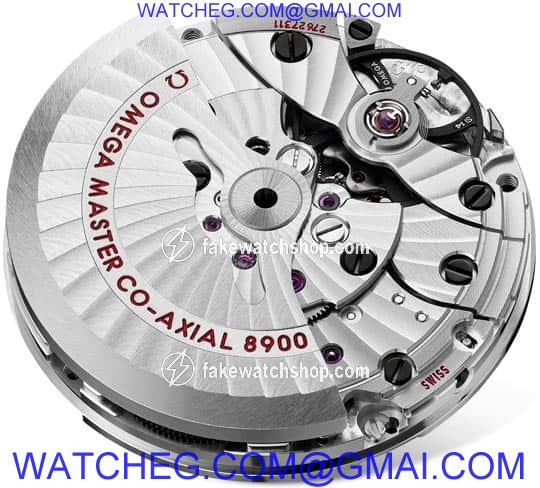 Omega Calibre 8900That said, both the Rolex calibre 3135 and the Omega calibre 8900 are great movements. The Omega calibre 8900 movement is visible by the see-through case back and as you can see above, it has some nice finishing as well. The power reserve of the Omega calibre 8900 is 60 hours, the Rolex calibre 3135 has 48 hours. If this watch is going to be your daily piece, we wouldnt worry too much whether it is 48 hours or 60 hours. Only when you swap watches over the weekend or every other few days, for example, it can become annoying that you need to set your watch again. Using a winder can help here though. Whats a nice plus on the Omega is that you can log-in onto the Omega website and see the test results of your very own watch by using the credentials on the Master Chronometer warranty card.Case and?Bezel?The Rolex Submariner Date 116610LN measures 40mm in diameter. The steel that Rolex uses is grade 904L, that they actually use for all of their steel models these days. Compared to the 316L steel that most other brands use, it has a higher resistance to oxidation. Using 904L grade steel doesnt mean it cant be scratched or dented, keep that in mind.?Omega's Seamaster Planet Ocean 600M case measures 43.5mm in diameter, which is definitely looking and feeling larger than Rolexs Submariner. The Planet Ocean 600M is based on the original Seamaster 300 (CK2913). However, thats only because of the shape, of course. The ceramic bezel, large dial and manual helium release valve have no association with the original CK2913 Seamaster 300. The Seamaster Planet Ocean 600M case is significantly thicker than the Rolex Submariner Date, so make sure you give both a try. Some people favour a thicker case, others dont.
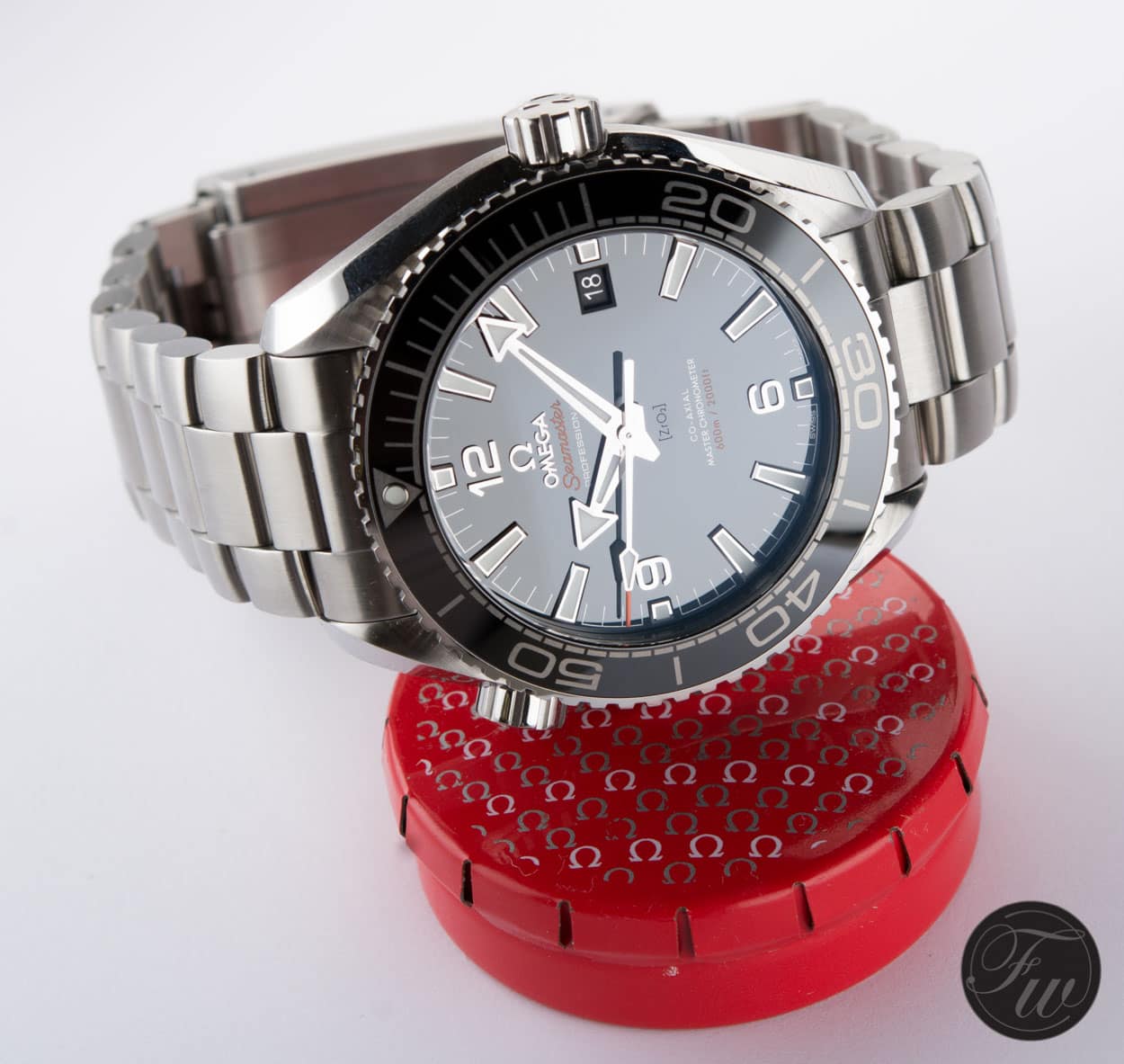 Both the Rolex Submariner and Omega Seamaster Planet Ocean watches have a screw-down crown to ensure water resistance. Most of the serious diving watches do, of course. The Seamaster has a transparent back where the Submariner's caseback is solid steel. The fact that the Seamaster Planet Ocean 600M has a sapphire case back, has no effect for use underwater.??The Omega Seamaster Planet Ocean is also equipped with a helium valve. The Submariner has not, only the (DeepSea) Sea-Dweller models have an (automatic) helium valve. This is only required for saturation diving though, during the decompression period.
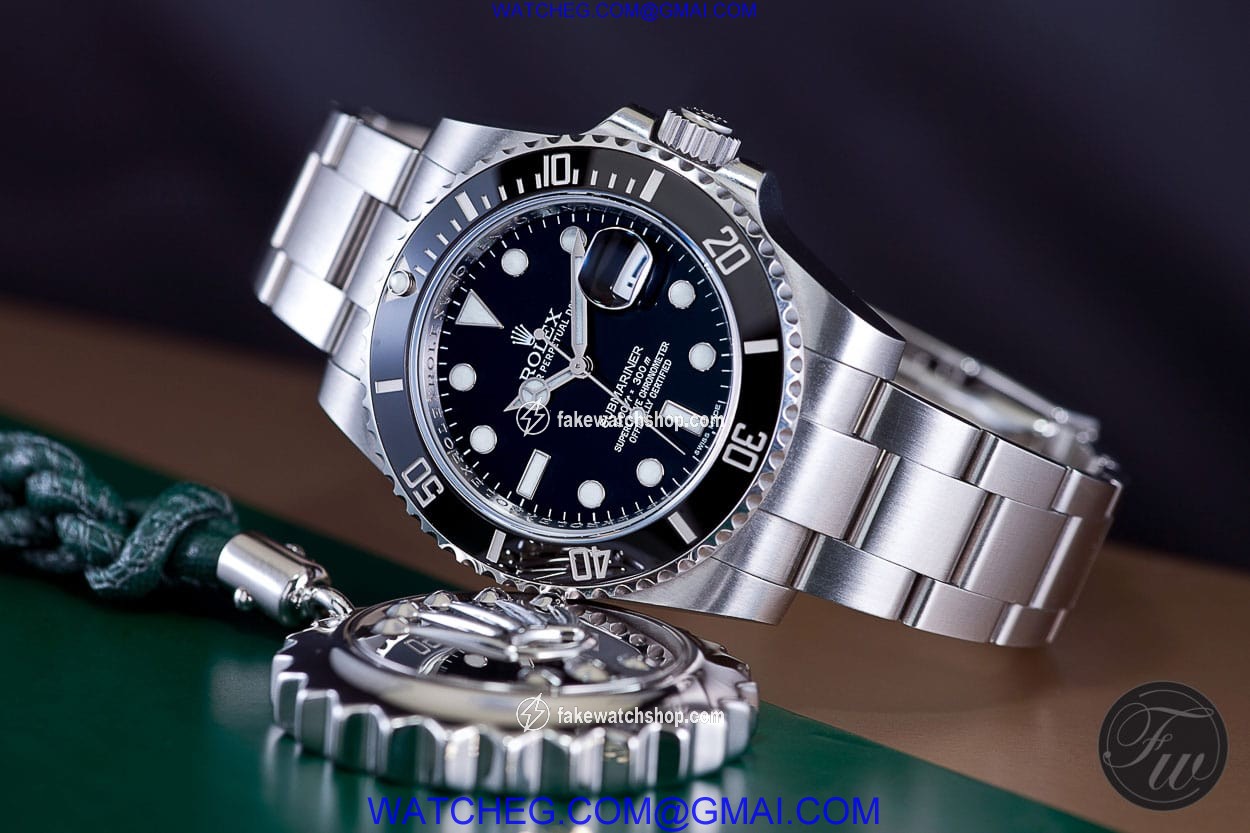 The Rolex Submariner and Omega Seamaster Planet Ocean both have a ceramic bezel, wherein the past both watches used aluminium inlays. These would tend to fade a bit when exposes to sunlight for a long period and were easy to scratch or damage. The use of ceramics took care of that. Rolex uses platinum for the numerals and graduations. They refer to this as Cerachrom. Omega refers to their blending process of ceramics and (precious) metal (for the numerals) as LiquidMetal. It results in a very smooth surface, which is basically impossible to scratch. For their latest variations, Omega is even able to mix ceramics with rubber (we mentioned this at the start).
