The protest at Fratello HQ yesterday started out in good spirits with the more progressive editors marching through the office merrily and optimistically chanting,We want solar powerWe want solar powerBut it didn't take long for the situation to turn grim. That's when the purist defenders of the traditional, mechanical side of watchmaking started shouting slogans like, Quartz is deadFor a moment, it looked like things would spiral out of control, but in the end, we watch fans, no matter how fanatical, are reasonable people. And that's why we, in the end, and over a cup of coffee, pondered the question of both if or why we need luxury solar-powered quartz watches from Rolex, Omega, Breitling, and Grand Seiko.Do quartz movements belong in luxury watches? It's a discussion that has been raging on for many decades, and of course, weve also written about this delicate matter. The recent debate at Fratello HQ sparked my imagination regarding solar-powered quartz watches. I, for one, think a high-end quartz movement that does away with the standard battery is the next step for watchmakers in the upper segment that already have quartz models in their collections.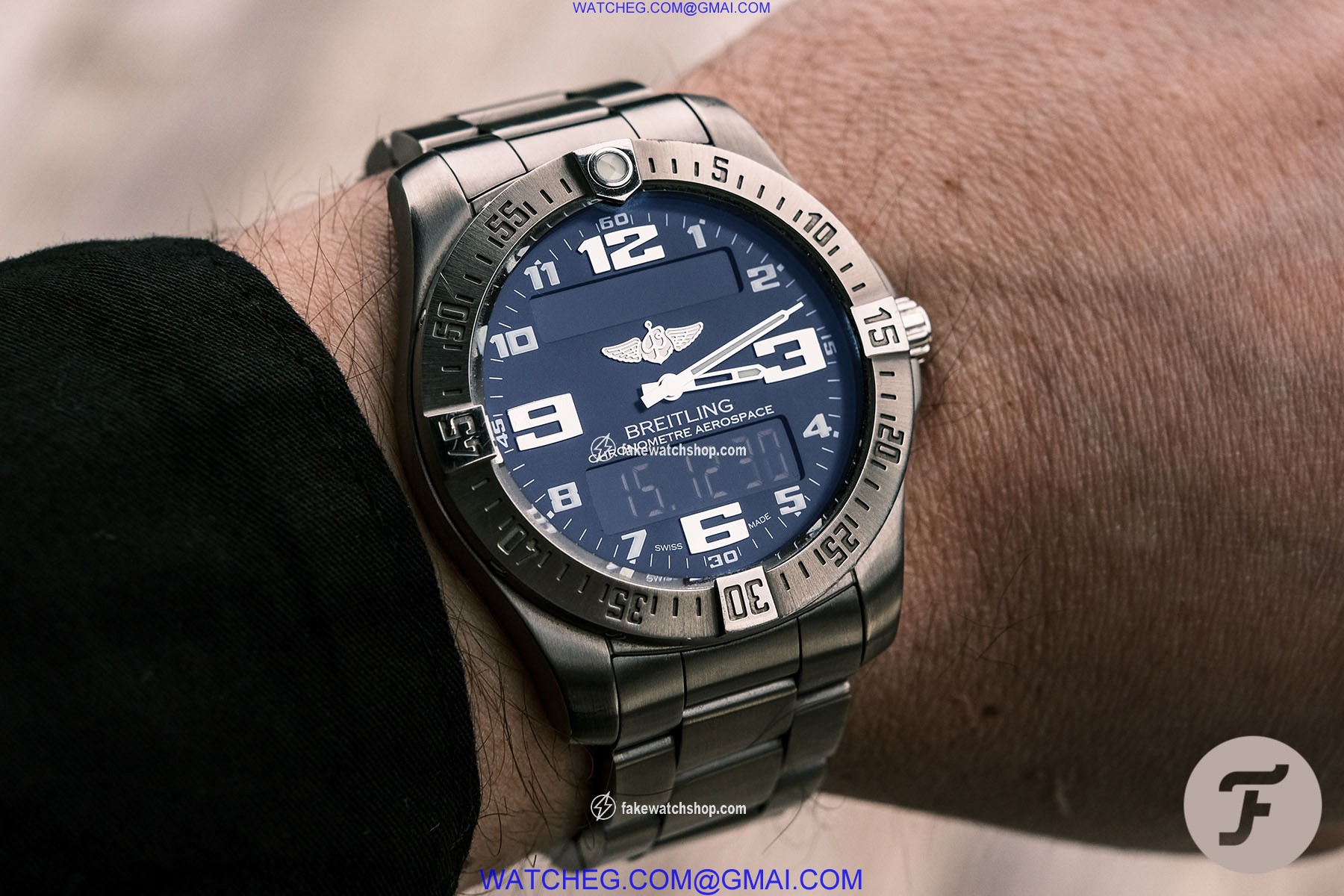 Breitling Aerospace EVOSolar-powered watches how it all startedWith the introduction of the Astron in 1969, Seiko established itself as the pioneer of quartz watches. Thus, you would expect that Seiko was also the first to launch the next-generation electronic calibers foregoing traditional disposable batteries. Surprisingly, however, it was the American company Ragen Semiconductors that, in 1972, launched the Synchronar 2100 the world's first LED watch with built-in solar cells. And four years later it was Citizen that introduced the Crystron Solar Cell, the world's first analog solar-powered watch. Seiko followed relatively late in 1977. But it was Seiko that, in 2012, launched the GPS Solar Astron, the world's first GPS solar watch. And the brand has been perfecting the movement ever since.
