The Rolex Oysterquartz is a fascinating watch. Not only does it smash the myth that Rolex watches dont tick but it also hearkens back to a time when Rolex really pushed the envelope. I know we have a few readers who really love the model, including one who recently picked up a fantastic birthyear example (Warky, this ones for you!). This past week, I tried an Oysterquartz on my wrist for the first time. That got me thinking long and hard about the potential in its design.Especially in the current climate of integrated-bracelet hype, the Rolex Oysterquartz could be the alternative we didnt realize we needed. And, at least as of December 2021, its one discontinued Rolex model that still represents relatively good value. Ill admit, I havent stayed super up-to-date on its pricing trajectory in recent years. I was surprised, however, when I tried on the piece, and I realized it was the cheapest Rolex in the entire well-stocked shop. For a watch of such importance, it really felt like a bargain. But before we get into what I think the Oysterquartz could offer you today, lets take a look back at where it came from in the first place. Hop in the time machine with me, and buckle up, my friends. Our first stop is 1970 with the release of The Texan. gallery-1 {margin: auto;} gallery-1 .gallery-item {float: left;margin-top: 10px;text-align: center;width: 50%;} gallery-1 img {border: 2px solid cfcfcf;} gallery-1 .gallery-caption {margin-left: 0;}/* see gallery_shortcode() in wp-includes/media.php */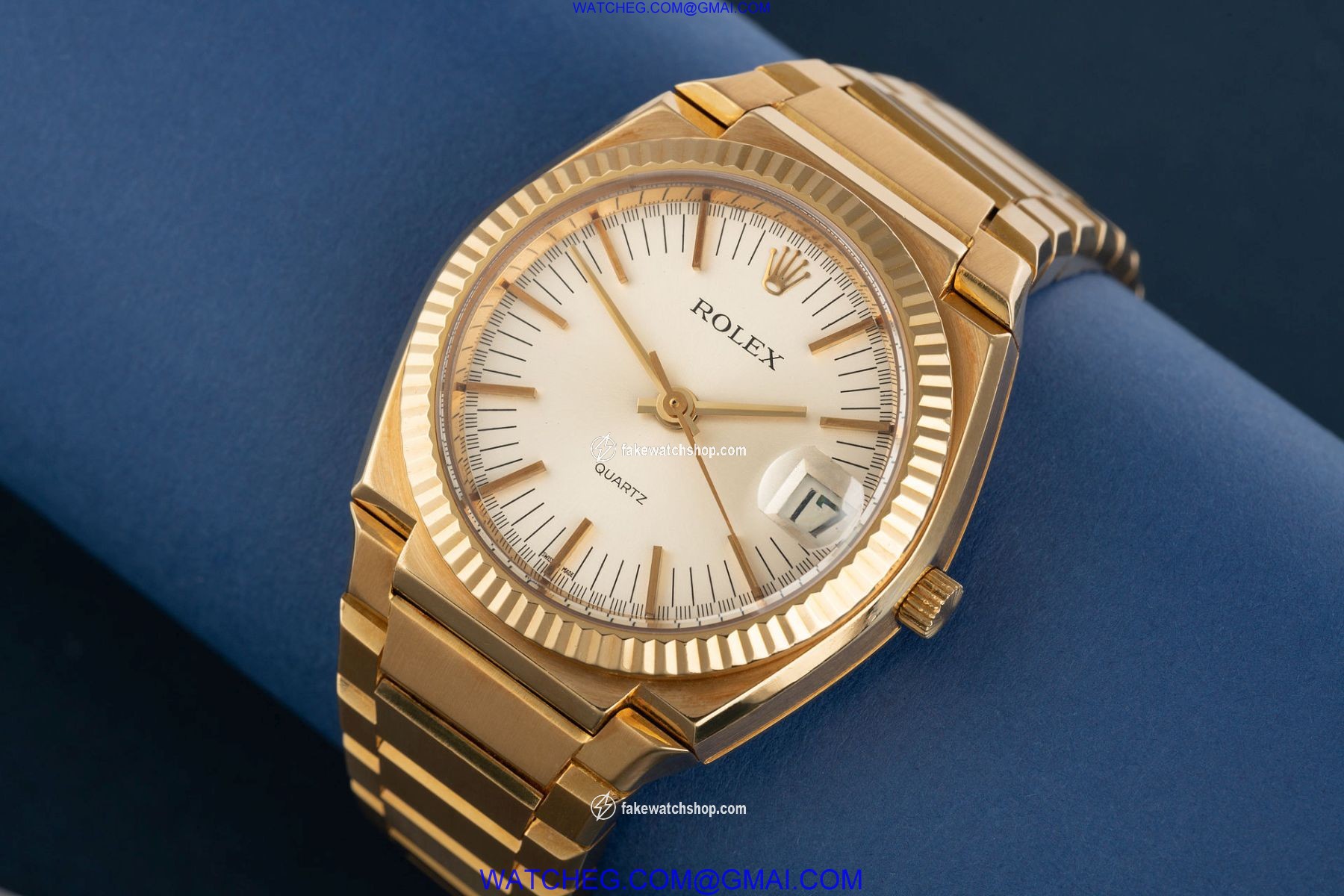 Image courtesy of The Watch Club
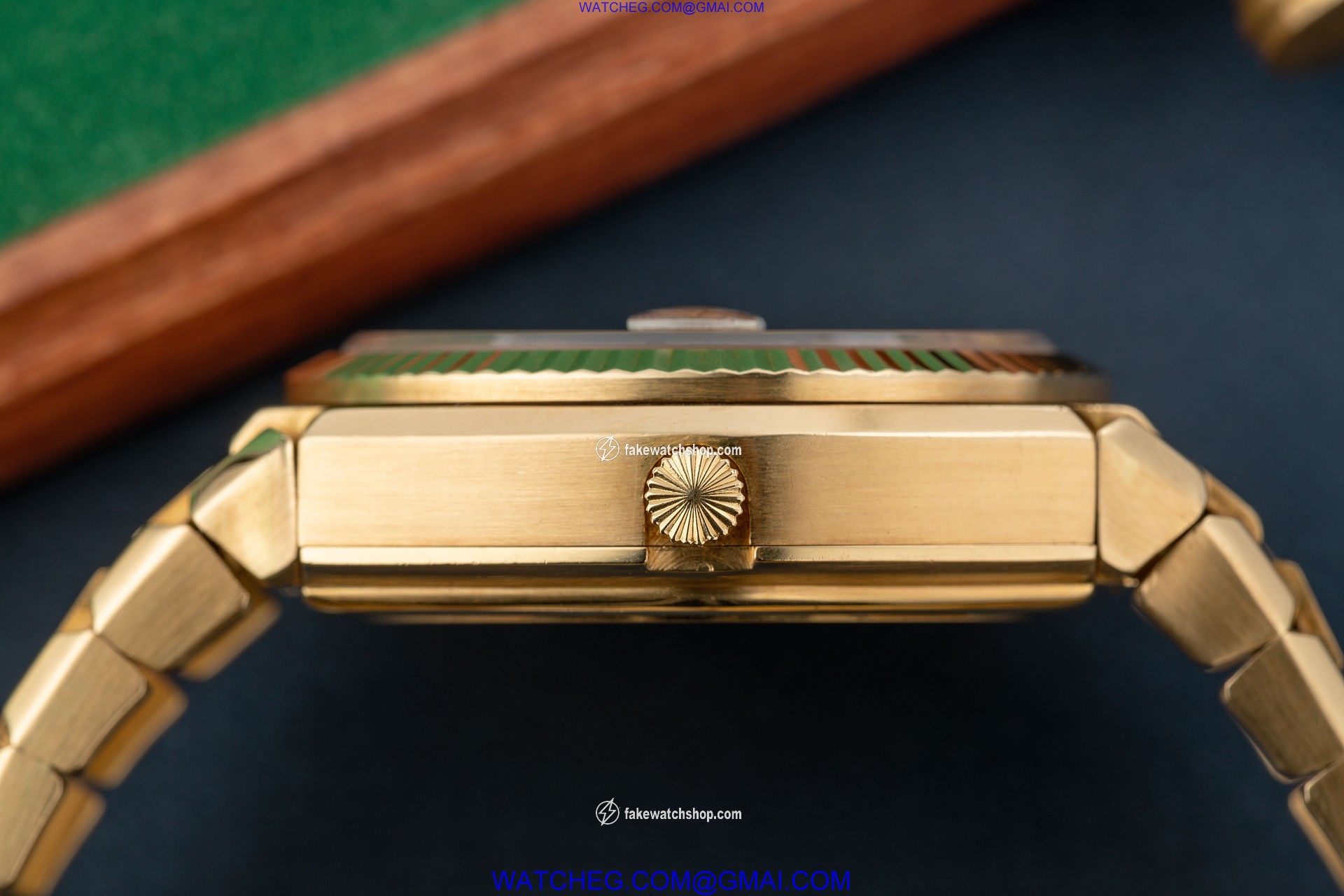 Image courtesy of The Watch ClubThe first Rolex quartz watch everWhile some may assume the Oysterquartz was Rolexs first quartz watch, it actually didnt debut until 1977. A whole seven years earlier, however, The Crown released the aptly named Rolex Quartz, reference 5100. It was nicknamed The Texan for its opulent solid gold construction and 40mm diameter. It was huge for the time, but everythings bigger in TexasWeighing in at nearly 200g of yellow or white gold, it was an absolute beast of a watch almost 52 years ago. As a watch with a quartz movement was an experiment for the brand, Rolex produced the Quartz on pre-order only, and in a run of supposedly just 1,000 pieces. Cases with higher numbers have been found, however, leading to some uncertainty about the true number in circulation.
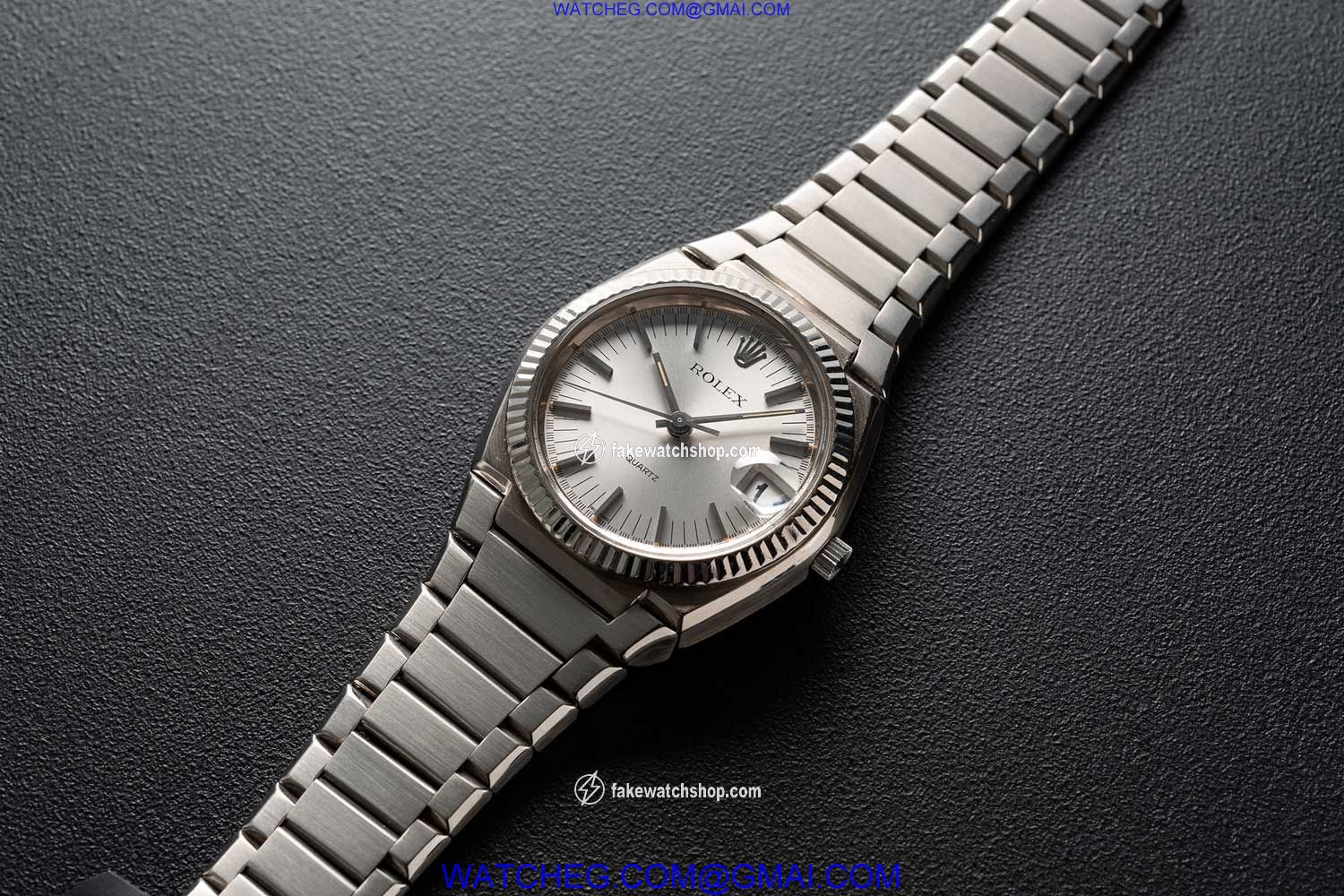 Image courtesy of RevolutionThough the fluted bezel and dial had Datejust vibes going on, the case itself was unlike anything Rolex had ever produced before. With its slab-sided profile, cushion shape, and integrated bracelet, it was a tremendous departure from the popular, round Oyster case aesthetic. But to be honest, its a design that I think would find favor among many watch enthusiasts today. As futuristic as it may have looked 52 years ago, The Crown seemed to have been decades ahead of its time.At the heart of The Texan was the Swiss Beta 21 quartz movement, the brainchild of the Centre Electronique Horloger. The movement was hand-built and quite thick at 6.2mm, which contributed in part to the size of the watch. Patek Philippe, Audemars Piguet, Omega, and IWC, among several others, would also use the caliber until its discontinuation in 1972. That year, Rolex would also discontinue The Texan, and spend the next five years developing its own in-house Oysterquartz calibers. Though in my opinion, reference 5100 still looks very modern today, prices for these watches start at around $20,000. If were talking value-packed alternatives to the Royal Oak or Nautilus, with prices like that, The Texan doesnt make much sense.
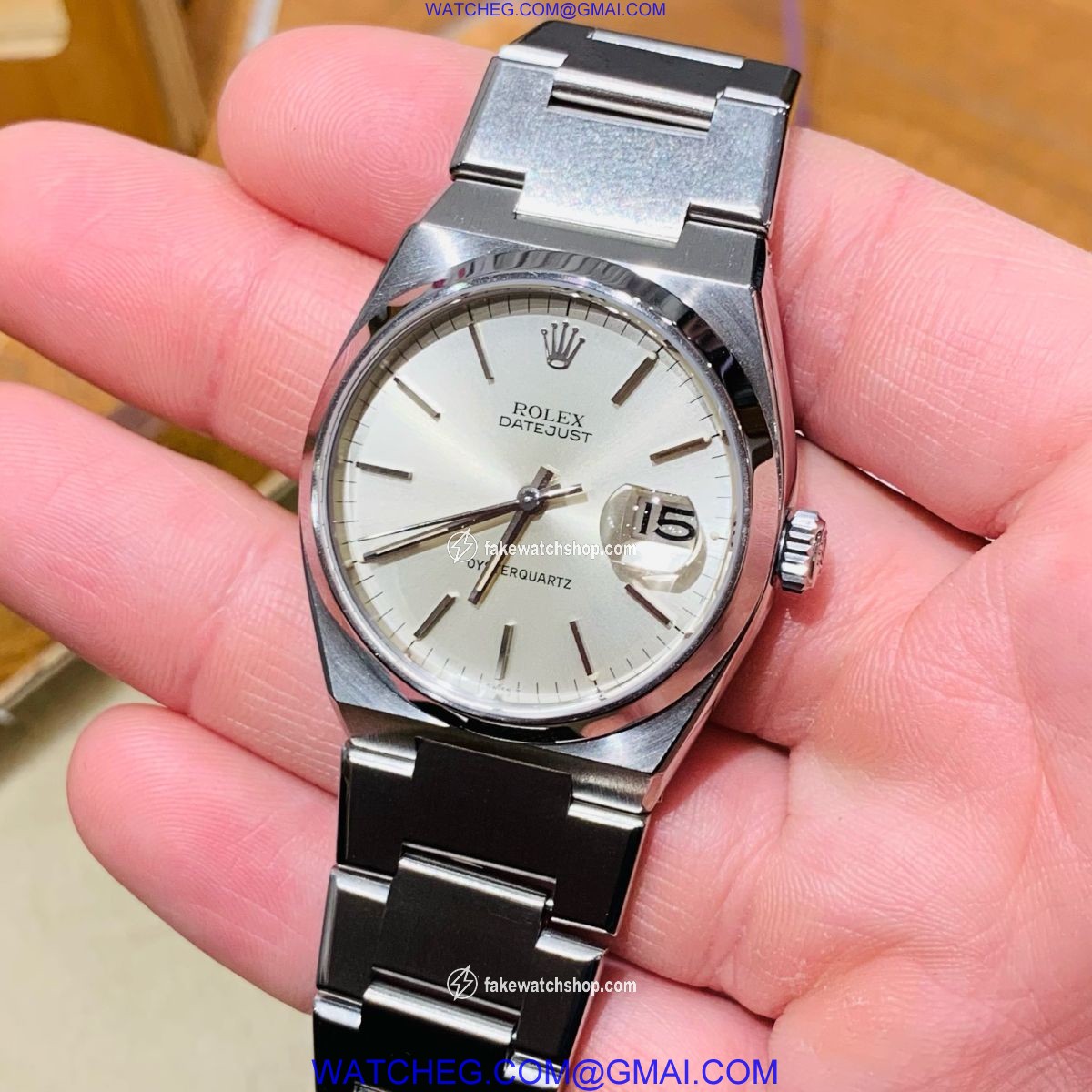 Rolex Oysterquartz ref. 17000 with Mark 1 dialThe evolutionIn 1977, Rolex finally released the Oysterquartz Datejust with the brand new in-house caliber 5035. The construction of this 11-jewel movement was based on Rolexs top-of-the-line mechanical movement of the day, the automatic caliber 3035. The bridges, plates, and pallet designs were very similar, with the obvious differences being the battery, electric pulse motor, and quartz oscillator.The 5035 was a phenomenal movement for the time. It featured an ambient temperature sensor that automatically adjusted the frequency based on the effects of extreme heat or cold. The frequency was four times faster than the Beta 21, meaning the watch was even more accurate than The Texan had been. And 18 months after the initial release, Rolex released an upgraded version with a new, tuning-fork-shaped quartz crystal. This allowed the watch to gain official chronometer certification, with a minimum accuracy of ¡0.2 seconds per day. Caliber 5055, a Day-Date version, was available as well in solid gold models.
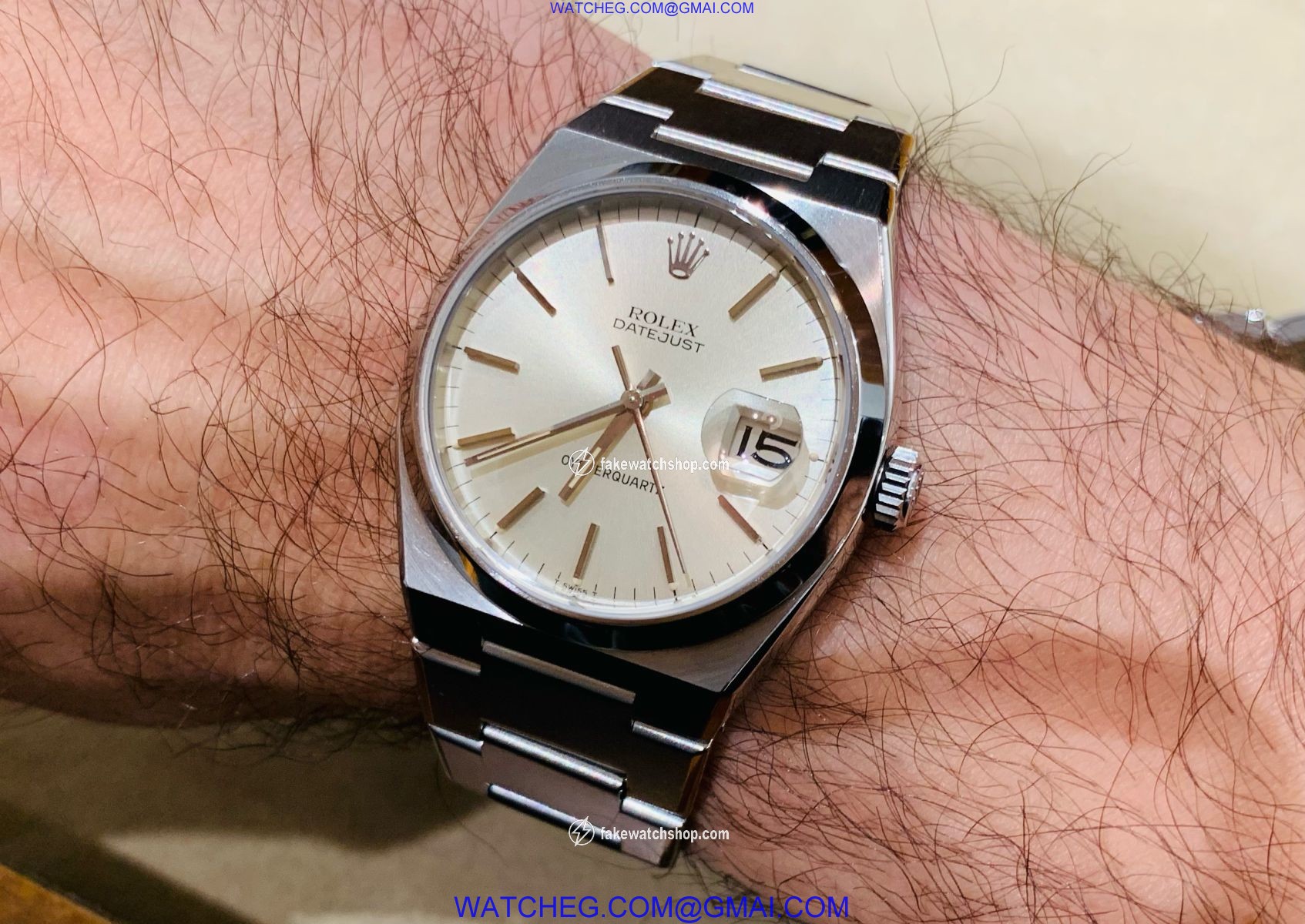 This week, I tried on the watch you see here, reference 17000 from 1977. This is the same model of Oysterquartz that our dear reader Warky has. As a debut-year model, youll notice the single line of text at 6 oclock, indicating that it was not chronometer-certified. Though the Oysterquartz line as a whole ran for 25 years, models like this are the rarest of all, with a short production run of just 18 months. Still, this watch was selling for just under 4,600.
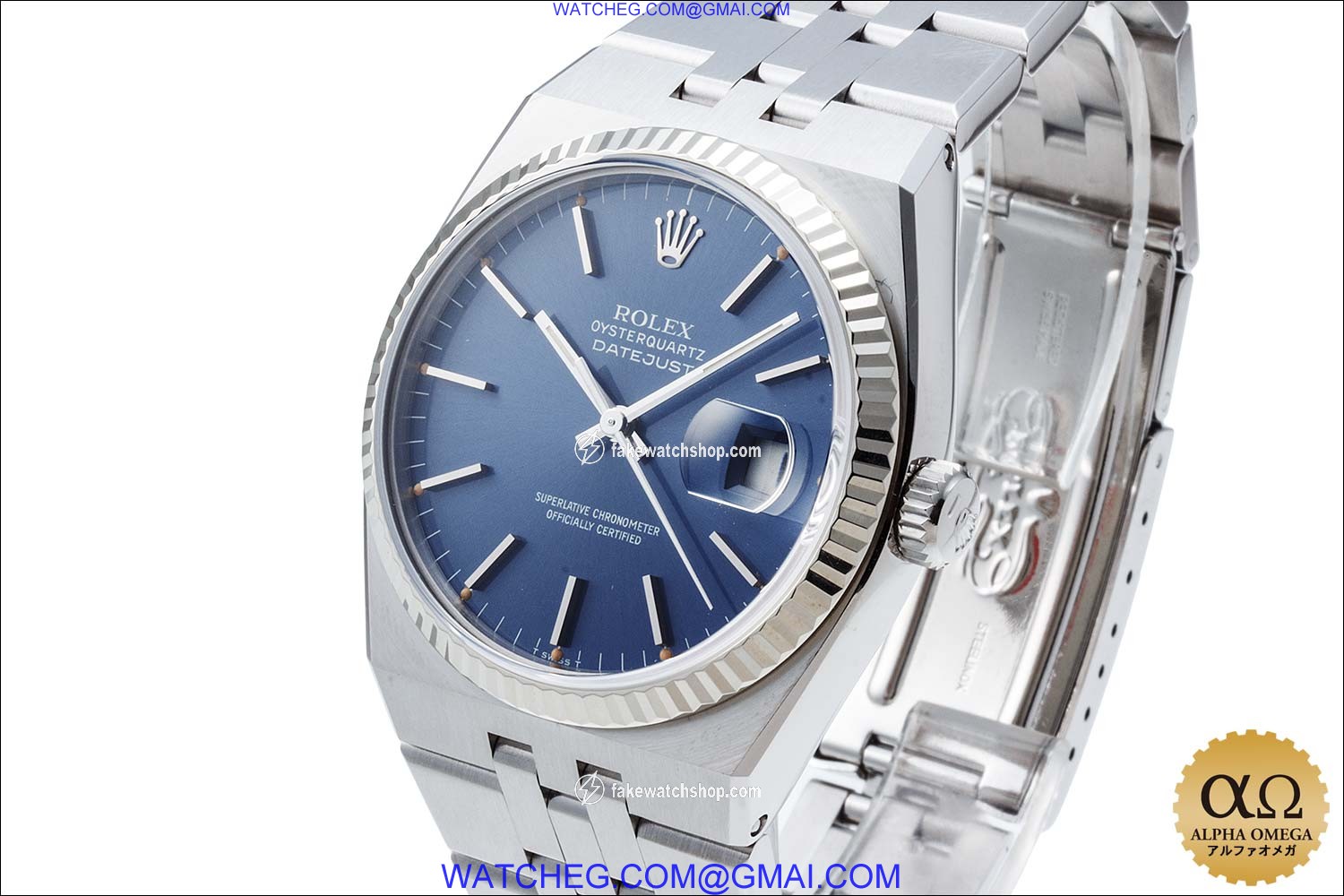 Rolex Oysterquartz ref. 17014 Image courtesy: Awc.co.jpThe Oysterquartz aestheticThe looks of the Oysterquartz descend from The Texan, but the watch is more of the period than its predecessor was. The case measures 36mm in diameter, keeping it in line with the mechanical Datejust. But its a bit more compact than its rounder, more mechanically inclined brother at just 42.5mm lug-to-lug. While that may sound small, its 12.5mm thickness and cushion shape give it more presence than its dimensions suggest. The look of the dial is taken straight from the Datejust, with baton indices and straight stick hands, as well as the signature Rolex Cyclops lens. Like the Datejust, it came with plain or fluted bezels, and with a variety of metal and dial combinations. It also came with a choice of two flattened bracelets, fashioned in Oyster and Jubilee-like styles. The Oysterquartz Day-Date also offered a President-style bracelet, but it goes without saying that it was only in solid gold.
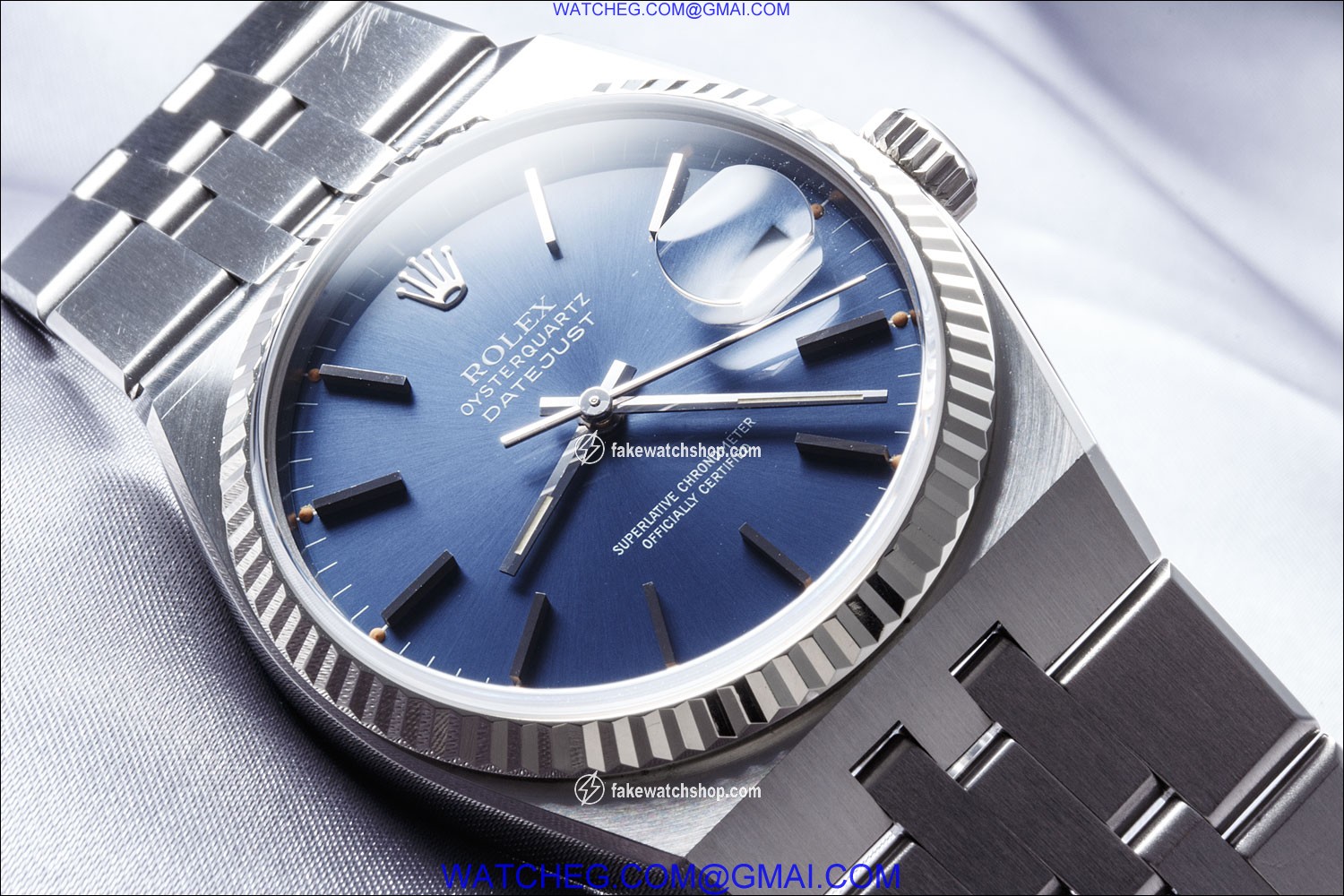 Rolex Oysterquartz ref. 17014 Image courtesy: Awc.co.jpThe part of the design that I enjoy most is the generous beveling on the edges of the case and bracelet. I love the contrast it gives to the broad, brushed surfaces, and the understated hint of luxury it provides. An all-brushed design would be a little too boring, whereas an all-polished one would be over the top. To me, sharp bevels like the ones we see here make the Oysterquartz a truly perfect anytime watch. I cant think of an outfit with which it would clash, and I only wish modern Rolex cases had details like this
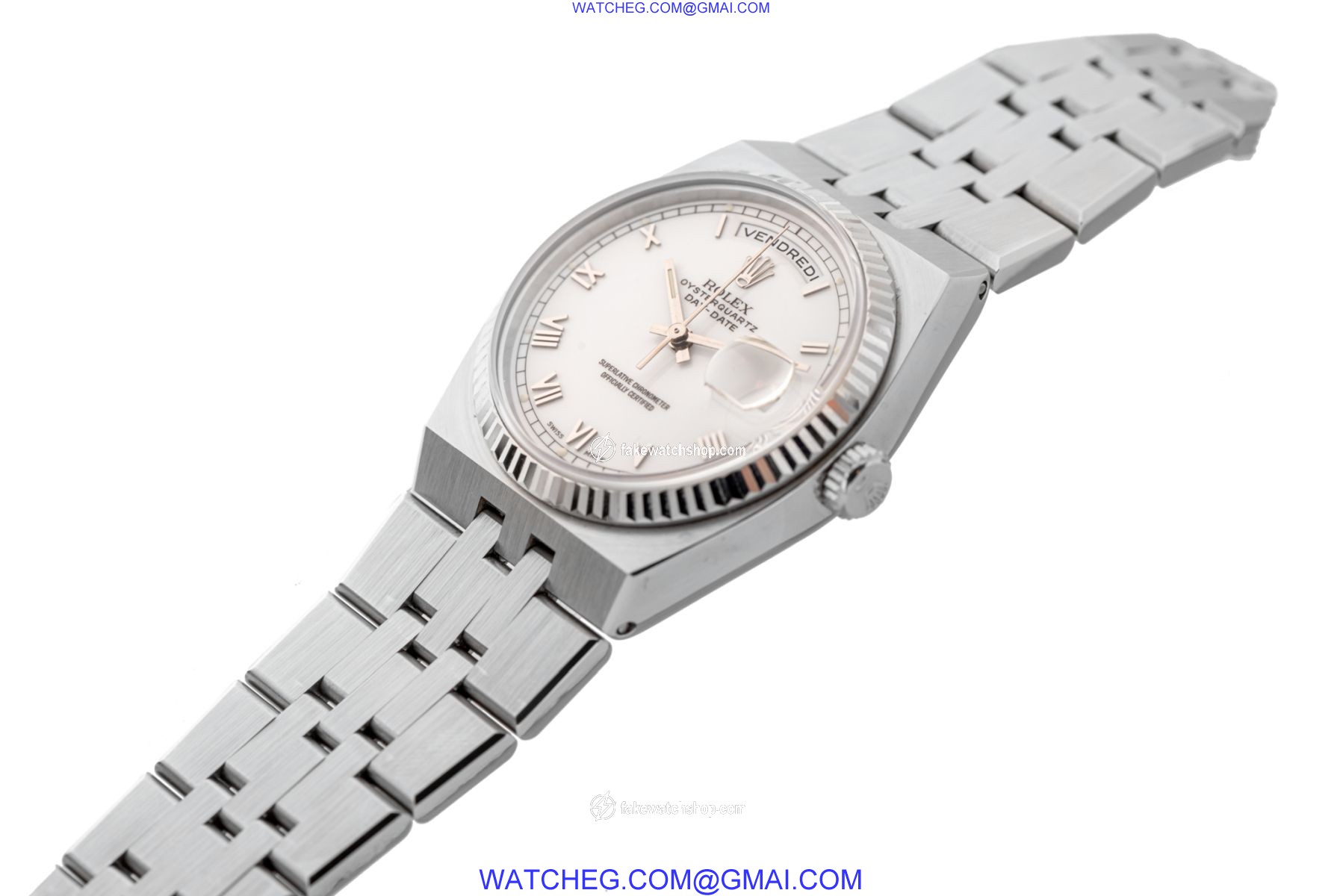 The elephant in the roomSome people claim that G??rald Genta designed The Texan and the subsequent Oysterquartz case. As far as all my scholarly digging suggests, there is no evidence at all to back up that claim. In an interview with Constantin Stikas in 2009, G??rald Genta himself said, Personally, I have only designed one Rolex, which still exists today and forms part of the Cellini collection. The Texan and the Oysterquartz were never Cellini models, and by 2009, both were discontinued anyway. Thus, Gentas own words clearly contradict those origin stories. gallery-2 {margin: auto;} gallery-2 .gallery-item {float: left;margin-top: 10px;text-align: center;width: 50%;} gallery-2 img {border: 2px solid cfcfcf;} gallery-2 .gallery-caption {margin-left: 0;}/* see gallery_shortcode() in wp-includes/media.php */
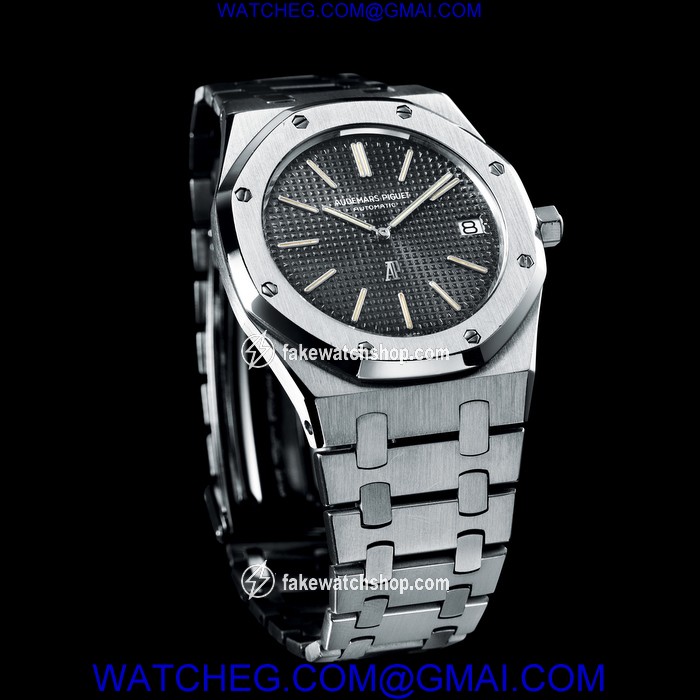 Audemars Piguet Royal Oak ref. 5402 Image courtesy of Revolution
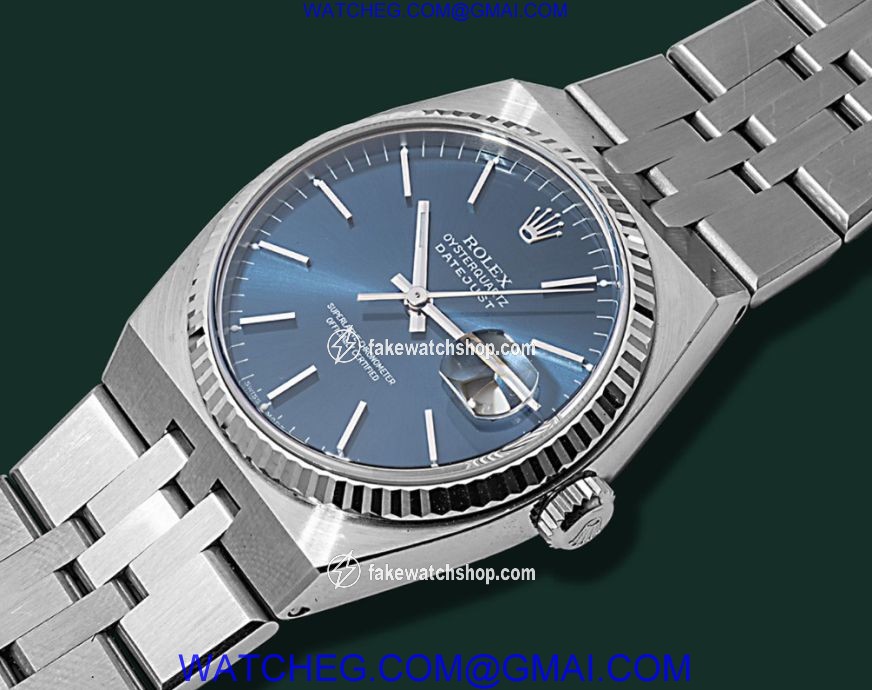 Rolex Oysterquartz ref. 17014 Image courtesy of Isignorideltempo.comBut its hard not to see the inspiration at play, especially when it comes to the angles and shapes. From the slope of the lugs to the case and bracelet bevels, the Oysterquartz borrows liberally from the Royal Oak form. The cushion-shaped case middle is also strikingly similar, though admittedly, the Oysterquartz looks a bit wider in the hips. gallery-3 {margin: auto;} gallery-3 .gallery-item {float: left;margin-top: 10px;text-align: center;width: 50%;} gallery-3 img {border: 2px solid cfcfcf;} gallery-3 .gallery-caption {margin-left: 0;}/* see gallery_shortcode() in wp-includes/media.php */
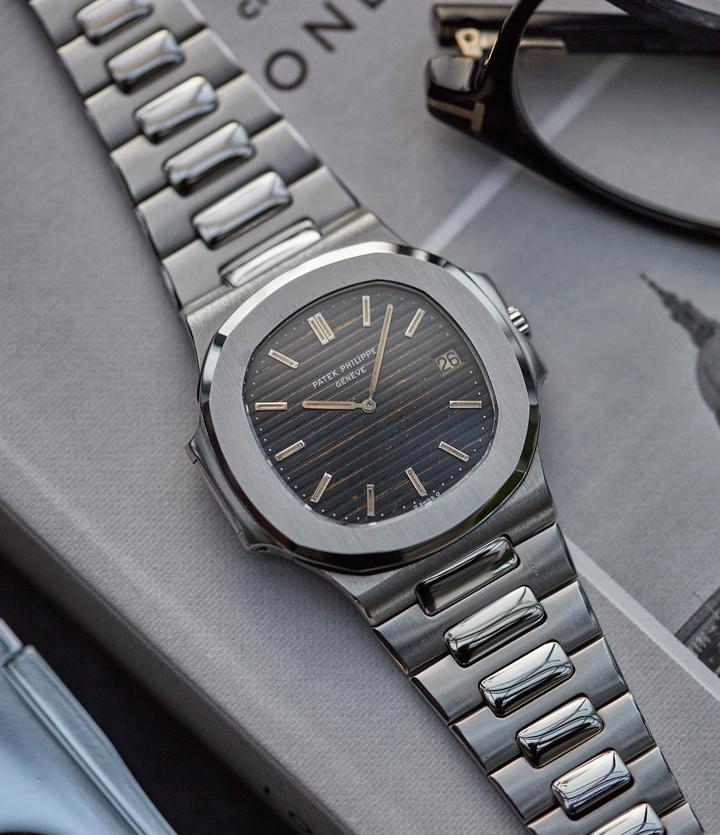 Patek Philippe Nautilus ref. 3700/001 Image courtesy of A Collected Man
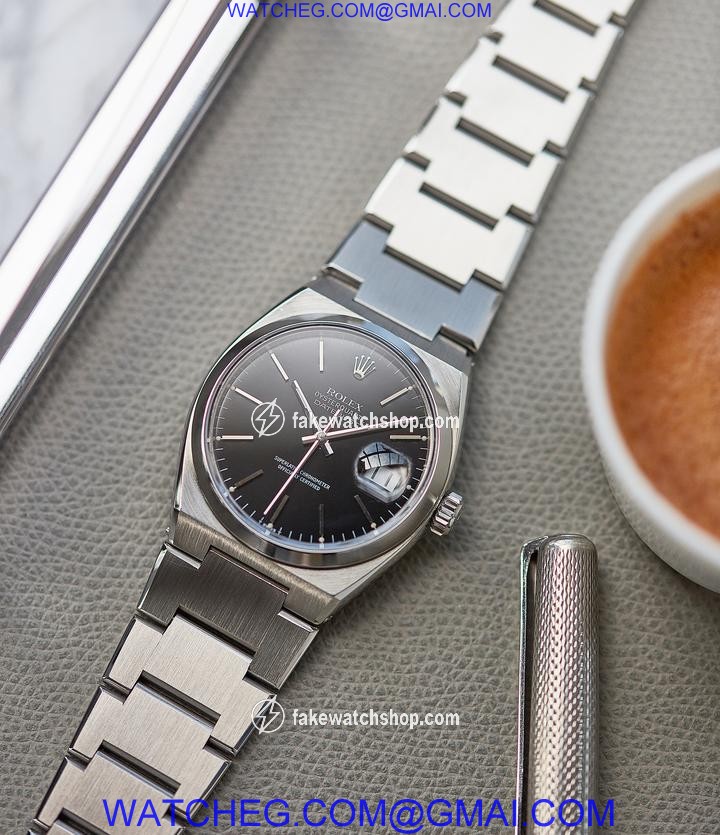 Rolex Oysterquartz ref. 17000 Image courtesy of A Collected ManWhen placed right next to the Patek Philippe Nautilus, which debuted one year earlier in 1976, I have to say that the resemblance is not quite as strong. Both share beveling on their cases and bracelets, but the Nautilus simply strikes me as much rounder overall. Obviously, the Oysterquartz case doesnt have any ears either. But in fact, theres a good reason for the difference in design. While the Nautilus pre-dates the Rolex Oysterquartz by one year, the case and bracelet of the Oysterquartz actually pre-date the NautilusAnd funnily enough, they also do so by one year.
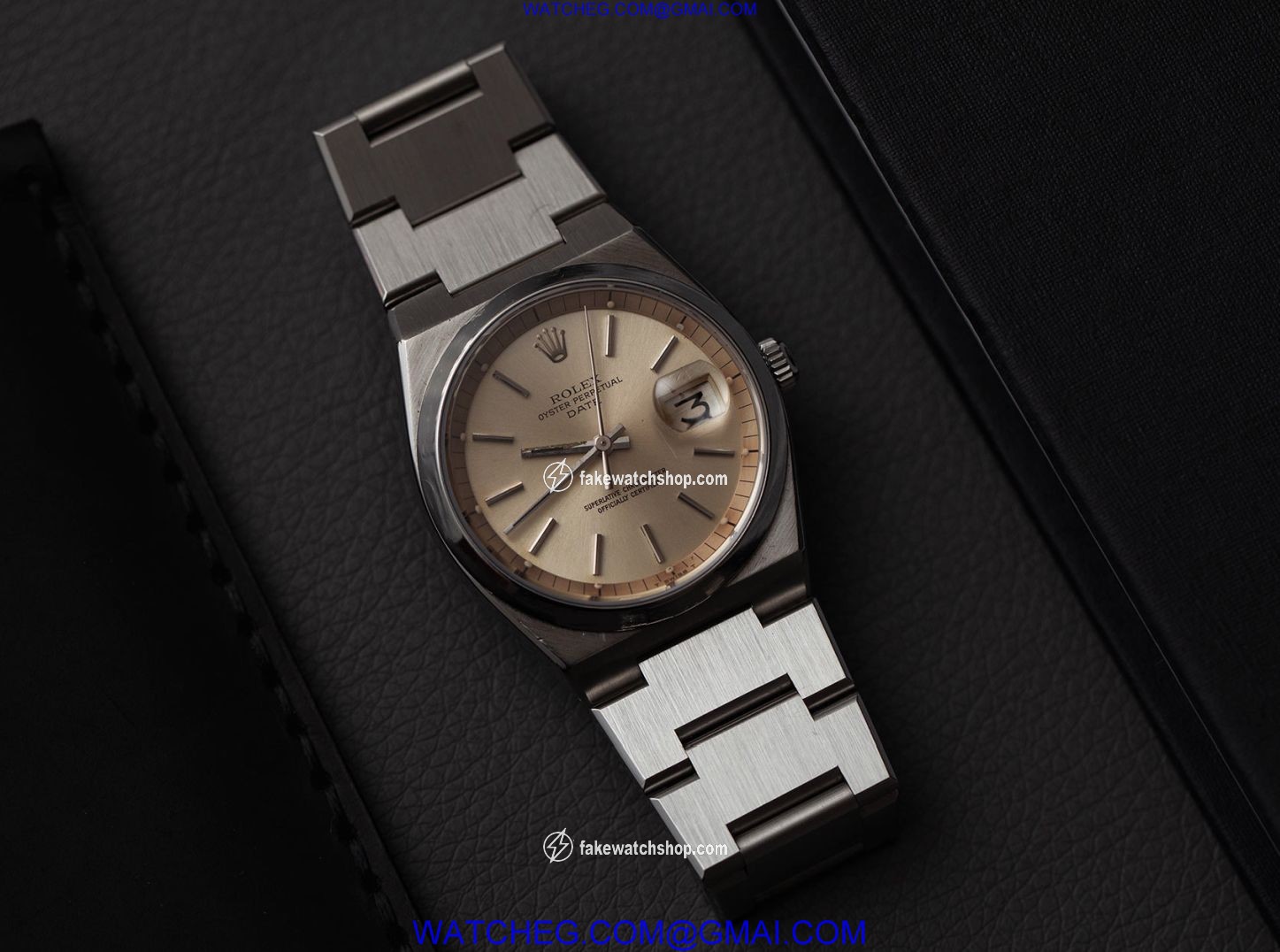 Rolex Oyster Date reference 1530 Image courtesy of Swisswatches-magazine.comPre-Oysterquartz Oyster Perpetual Date and DatejustThe case and bracelet of the Oysterquartz actually debuted in 1975 on the Rolex Oyster Perpetual Date ref. 1530. Most Rolex scholars believe the case and bracelet were designed with the Oysterquartz as the goal, but Rolex finished producing those parts before the quartz movement was ready. So the brand released a trial run in 1975, powered by its automatic caliber 1570. This Oyster Perpetual Date model featured a smooth bezel and Oyster-like bracelet, as pictured above. At the same time, Rolex also released reference 1630. It was a Datejust model with the exact same case, but with a gold fluted bezel and a Jubilee-esque two-tone bracelet. It is believed that less than 1,500 examples of references 1530 and 1630 were produced. Once the Oysterquartz calibers were ready, these two trial models went the way of the dodo.
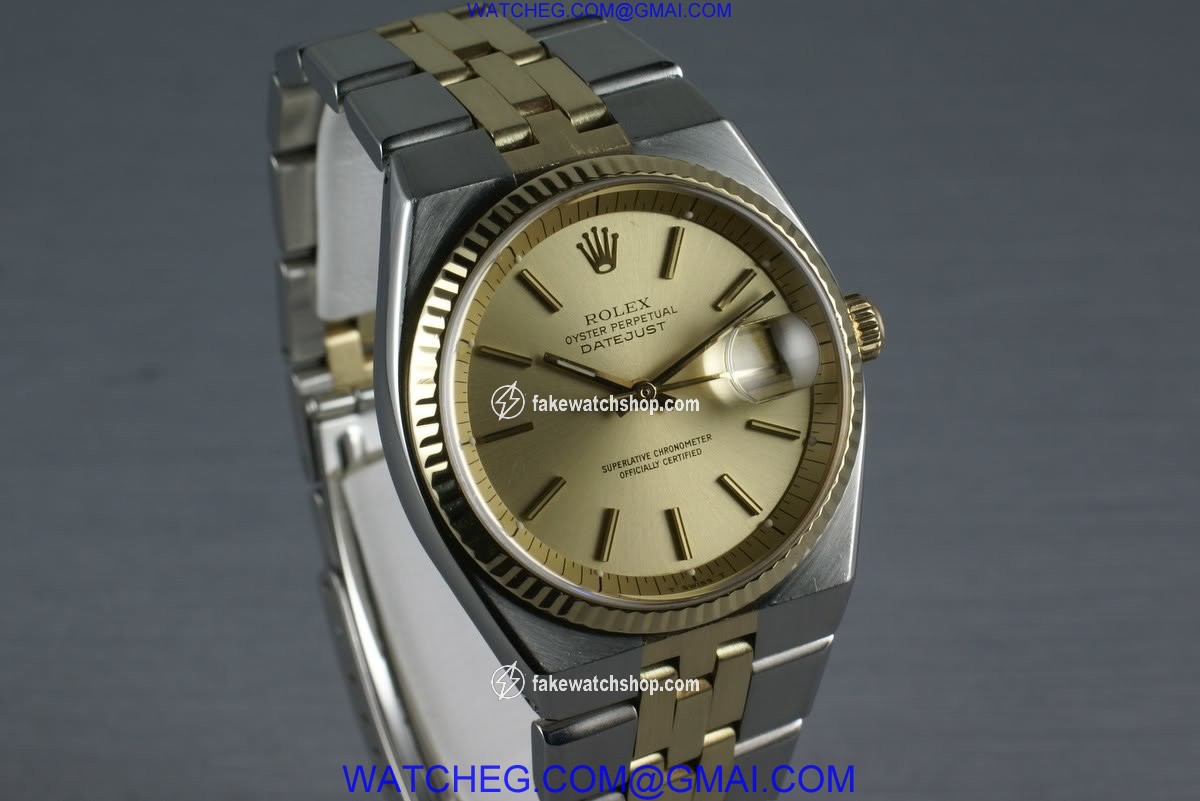 Rolex Datejust ref 1630 Image courtesy of HQ MiltonSo what about that cheesy Nautilina nickname in the title of this article? Well, Ill be honest; you can thank Rob Nudds for that. He thought Id design a new watch based on that idea, but its pretty clear that Rolex doesnt really need my help. So, sorry Rob, I kind of dropped the ball on that one. But who needs an all-new Nautilina when you already have this? I hereby nickname the Oysterquartz the Rolex Loyal Oak. Bonus points go to me for an even cheesier nickname
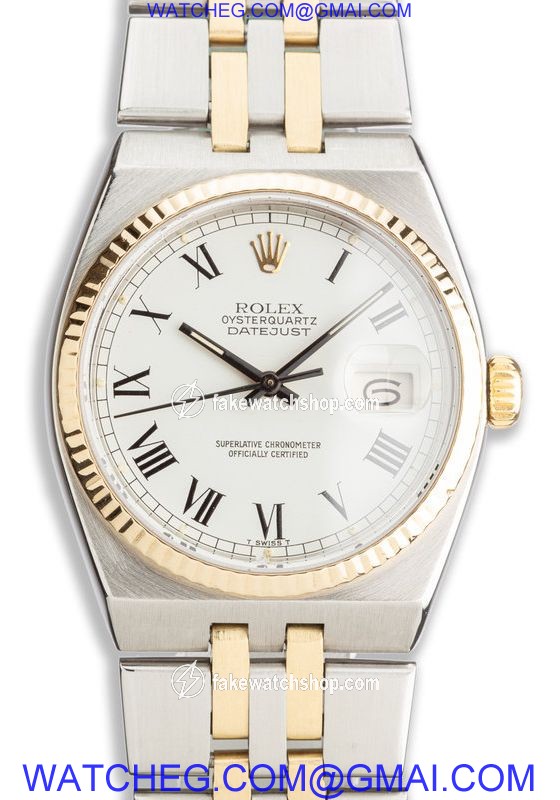 Rolex Oysterquartz Datejust reference 17013 Image courtesy of HQ MiltonThe matter of alternativesSo could the Oysterquartz aesthetic scratch your Royal Oak itch? Could it be the perfect alternative you never knew you needed? Personally, I really like it, and I think for me, it could. Especially in the above configuration with that clean Buckley dial. But the answer really depends on what you want from your watch.
 If you want a Royal Oak because its a Royal Oak, I believe you shouldnt buy anything except the real deal. Settling, in the end, usually leads to dissatisfaction at least thats what I have found in my watch collecting journey. But if you simply like the look and the idea of Genta styling, the Oysterquartz could be an interesting option for you. If youre OK with going vintage and dont need the latest tech, the Rolex Oysterquartz could certainly do the trick. If you want a grab-and-go watch that youll never have to wind, it goes without saying that an Oysterquartz could fit the bill. And if you simply want a Rolex but not just any boring one, I think an Oysterquartz is way cooler than a plain ol Datejust. Only about 25,000 Oysterquartz watches were made between 1977 and 2001. I wonder how many million mechanical Datejusts were made in the same timeframe
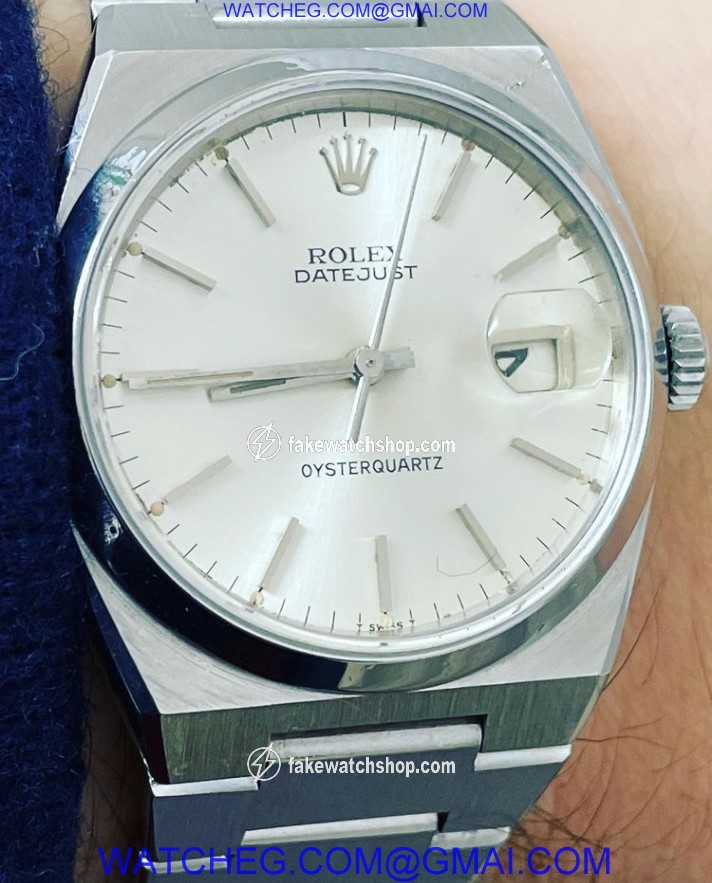 Warkys birthyear Oysterquartz ref. 17000Procuring an OysterquartzYes, there are seemingly thousands of other Genta-inspired watches with integrated bracelets on the market today. At this point, weve seen so many, I dont even need to name them. But lets just say the Oysterquartz ticks all the boxes for you (pun absolutely intended). Thankfully, it wont be too hard to get your hands on one. And although theyre relatively rare in the grand scheme of Rolex history, prices for Oysterquartz watches arent too outrageous yet. You can find decent examples of the two-tone reference 17013 starting right around the 4K mark. Full-steel models tend to be more expensive because, lets face it, its Rolex were talking about here.
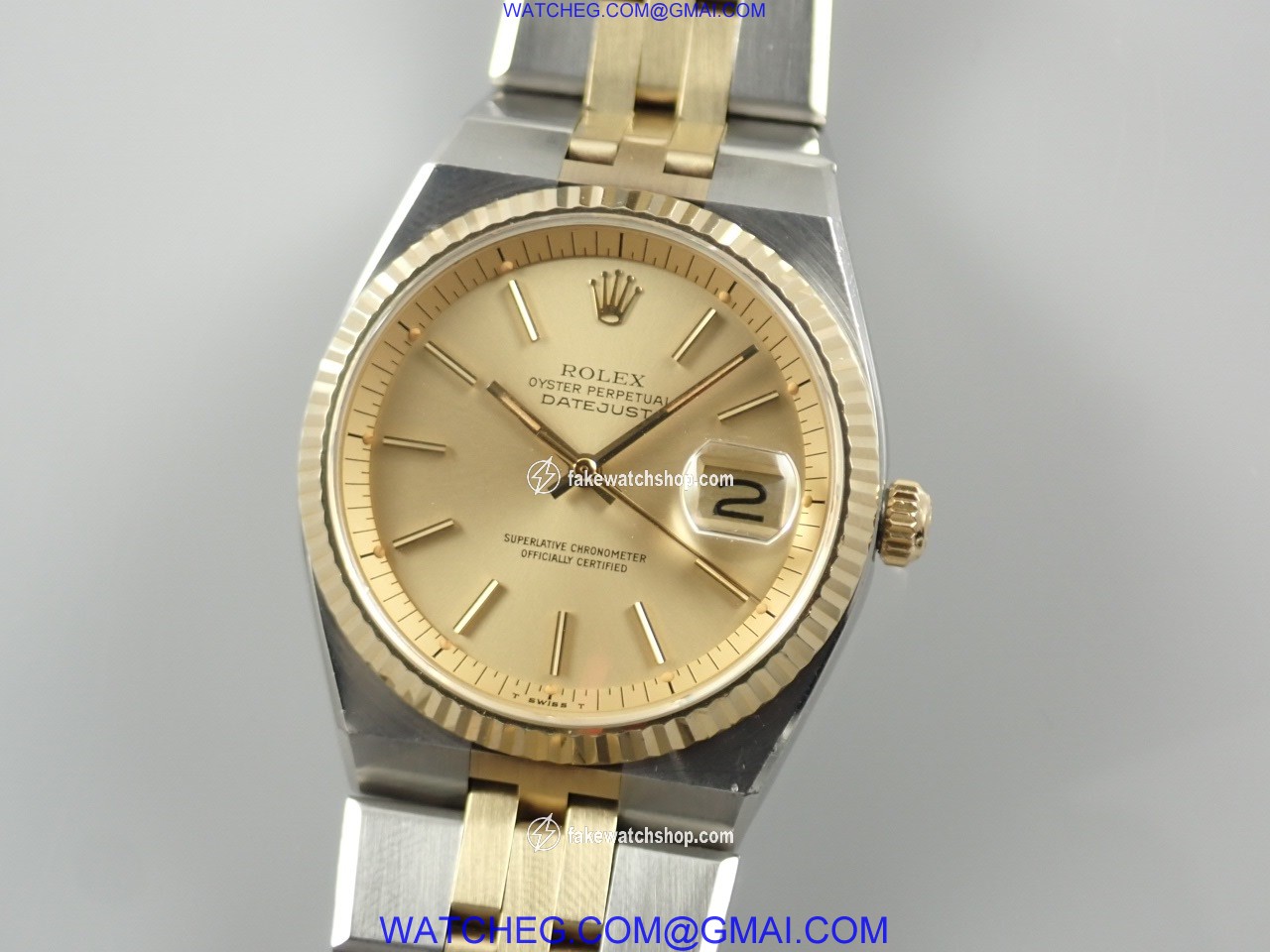 Rolex Datejust ref. 1630: Oysterquartz aesthetics with a mechanical heart Image courtesy of Commit-watch.co.jpAnd what if you love the look of the Oysterquartz case, but you just cant get over that ticking seconds hand? As I mentioned, there are references 1530 and 1630, which use the same cases but with mechanical movements. Unfortunately, the boat has sailed on the full-steel Oyster Perpetual Date ref. 1530. You likely wont find them for under 15,000, with prices of 20,000 and up being far more common. But the two-tone Datejust ref. 1630 can still be found for under 8,000. And for the money, I think its a pretty awesome rare bird indeed.
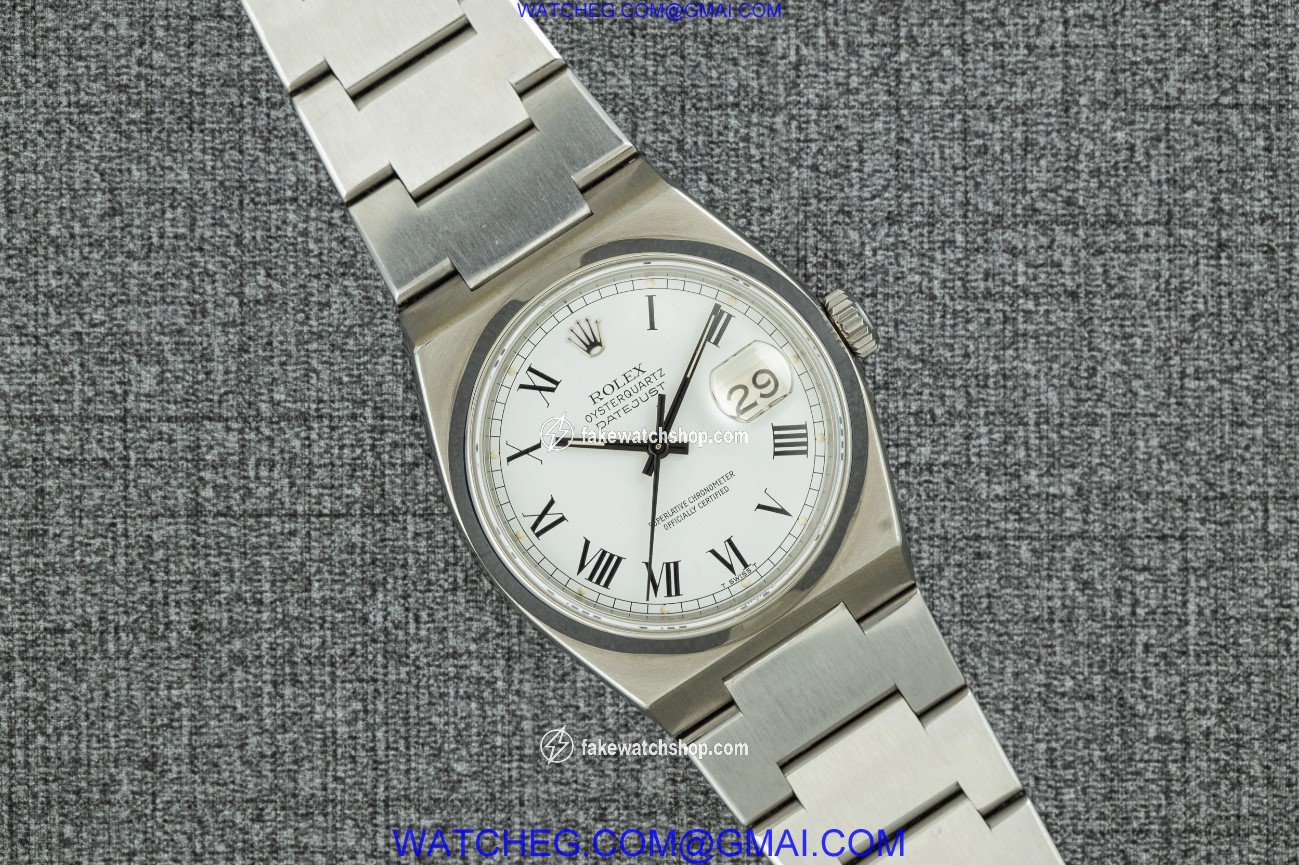 Image courtesy of Analog/ShiftBut has it got legs?I dont have much fun anymore imagining new Rolex watches. Rolex clearly doesnt care what we mere mortals think. And even if my fantasy Rolex watches became a reality, its highly unlikely Id be able to buy them anyway. Ive come to see that the brand should focus more on meeting the current demand than releasing anything crazy and groundbreaking at this point. So I think the best that most of us can do is try to find the hidden gems from the past that really get our watch nerd blood pumping. The Oysterquartz, for me, is one of these gems, and I could see it totally fulfilling any integrated-bracelet itch I might have. But what do you think about the Rolex Oysterquartz? Am I talking crazy again? Or is this discontinued model just about to have its moment? Let me know down in the comments, and thanks for giving this a read!Oh, and long live the Rolex Loyal Oak!Header image courtesy of Awc.co.jp
