I am excited and honored to write my first article for Fratello Magazine. I have been thinking a lot about the first topic to talk about and, in the end, I decided to write about the iconic Rolex Daytona ref. 16520.Because from my point of view, this model really stands-out in the history of Rolex and represents one of the timepieces whose value increased more over the years. In 1988, after the discontinued production of the manual winding Cosmograph, Rolex launched the first references of the self-winding chronograph with sapphire crystal on the market: 16520 for the stainless steel model, 16523 for the steel and gold model, and 16528 for the gold model.Rolex 16520-Mark 1 to 8The main characteristics of the ref. 16520 are waterproof screw-down buttons, a Triplock winding crown, water-resistance to 100 meters, a self-winding movement, and a sapphire crystal. The reference 16520 represents the first self-winding Oyster chronograph with a sapphire crystal in the history of Rolex. It is powered by the caliber 4030.A steel bezel is engraved with a units per hour scale. The first models had a scale graduated up to 200 units per hour. This changed after about a year to 400 units per hour with the intermediate calibration of 225. Since 1989/1990 the bezel has been graduated to 400 units per hour, but with an intermediate interval of 40 units between 200 and 240. The watch market and collectors worldwide have become very fastidious when it comes to identifying small differences between the various watches. In light of that, lets take a look at several dial variations for the ref. 16520.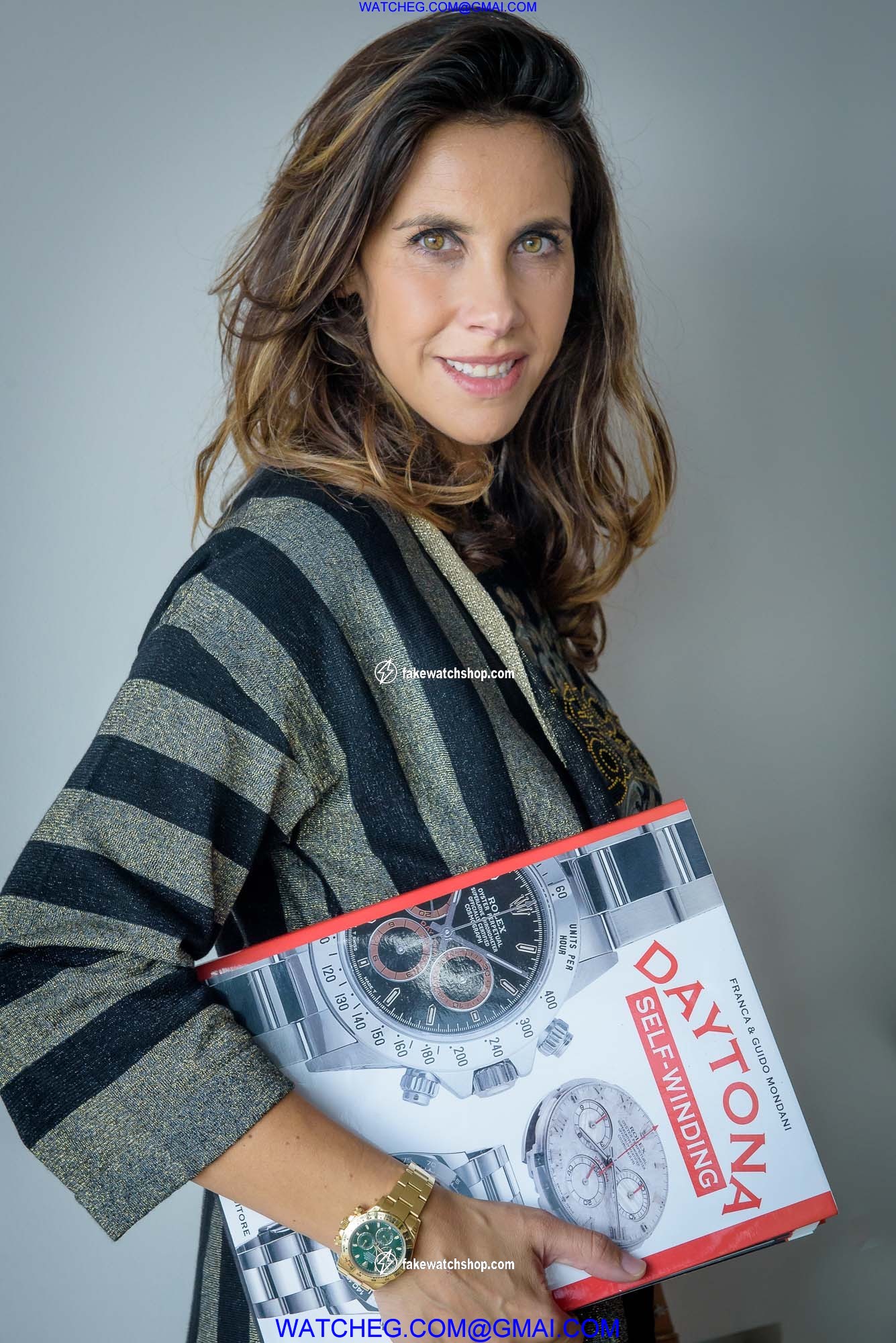 With the support of the latest Mondani Book Self-Winding Rolex Daytona, let's go through all different iterations of this reference, or Mark-series:MARK 1It is nicknamed floating dial and it features a 5-line dial. The fifth (floating)?line is further away from the others (floating. The typeface has accentuated serifs, an inverted 6, and tritium lume. This graphic design sports a unique feature. The two Os in CHRONOMETER differ from each other the first one is narrower and the second one is wider. A very rare version of the Mk I dial with a glossy background is referred to as the porcelain dial. The word DAYTONA is not red like on the Mk I, but a lighter shade more like coral.
